A supplier invoice total does not tell you whether an item got cheaper or more expensive. Case sizes change, quality differs, and delivery charges can hide in a separate line. A useful comparison starts by making two offers genuinely comparable.

Match the product before you compare the price
Start with the specification: product, grade, trim, pack size, and whether the price includes delivery or a discount. “Chicken breast” is not one product if one case is boneless and trimmed while the other needs prep.
Give the comparison a short name the kitchen will recognize. That keeps the discussion grounded in the food the team actually receives, not a vague spreadsheet row.
Convert every offer to one unit
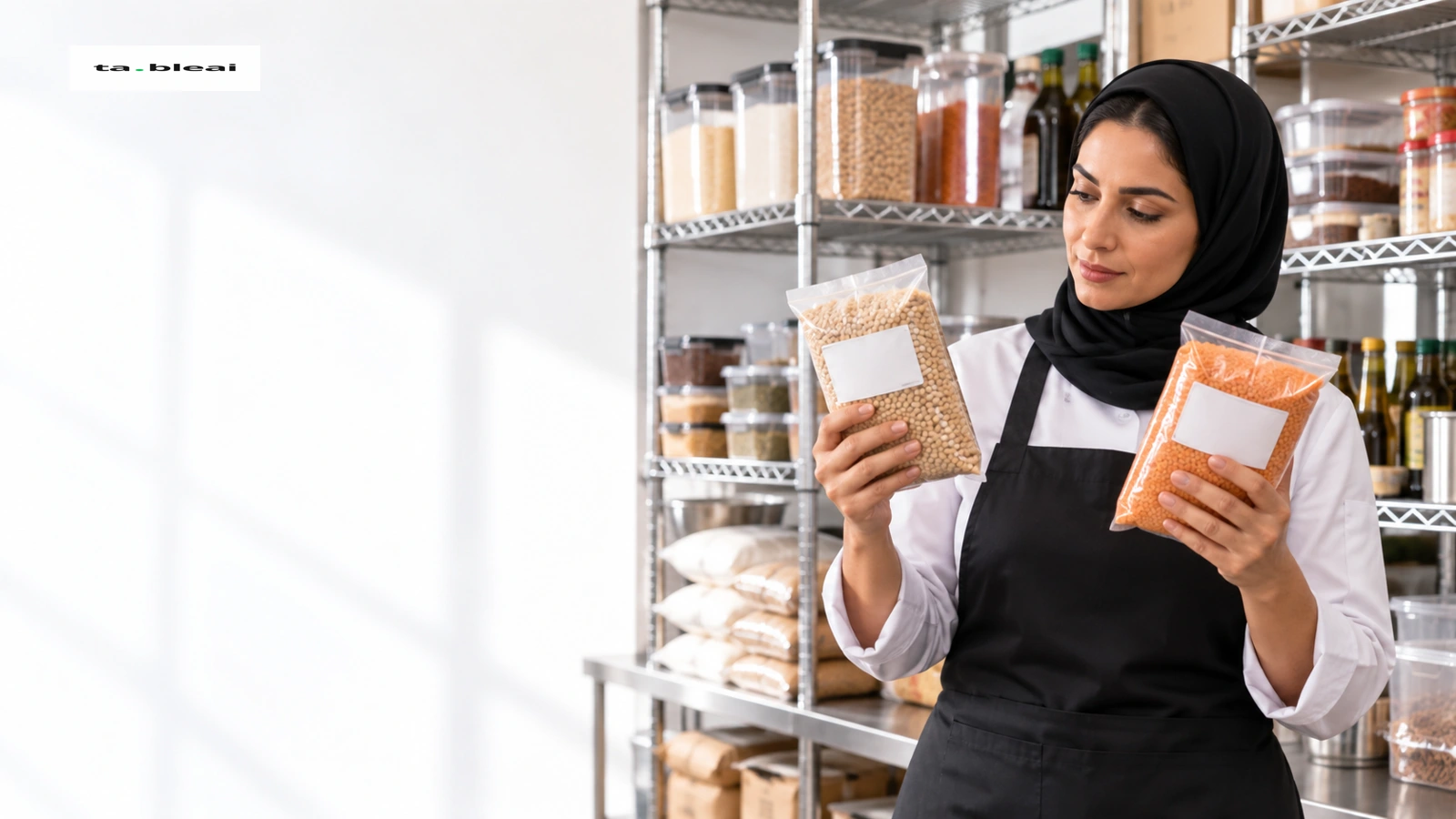
Use kilograms, pounds, litres, or eaches — whatever makes sense for the item — and convert each case to that unit before judging it.
An illustrative example:
| Supplier | Pack | Case price | Unit cost |
|---|---|---|---|
| A | 6 × 2 kg | $54 | $4.50/kg |
| B | 4 × 2.5 kg | $47 | $4.70/kg |
Supplier A is cheaper by weight in this example. That is not the end of the decision. Confirm that tax, rebates, delivery, and product quality are being handled the same way.

Account for yield and the conditions of the deal
Equal purchased weight does not guarantee equal usable food. A less-trimmed product may cost less per kilogram but create more waste and prep time. Test yield when it matters, particularly for produce, protein, and items with heavy trim.
Also check lead time, minimum order, substitution policy, invoice discounts, payment terms, and delivery reliability. A supplier who arrives late on a Friday can be costly even when the line price looks good.

Keep a small, regular comparison
You do not need to chase every penny across every ingredient. Start with the handful of products that move food cost most. Save the invoice date, supplier, pack specification, case price, normalized unit cost, and a note on quality or delivery.
Headline food-cost changes vary by commodity; your own invoice history is more actionable than applying a broad index to every item. The National Restaurant Association’s food-cost reporting is useful context, but it cannot replace your supplier records.
TableAI does not scan invoices or automatically detect supplier price changes. Use it for the operational records it supports, and keep this comparison as a simple buying discipline alongside the food cost calculator.

Common questions
Is the lowest case price always the best deal?
No. Pack size, usable yield, delivery charges, quality, payment terms, and reliability can all change the true comparison.
How often should a restaurant compare prices?
Review important items regularly and compare like-for-like invoices when a price or product specification changes.